-
1. Introduction to Cognitive Psychology
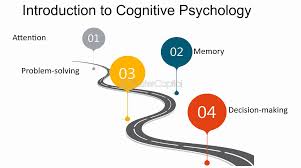
This lesson is an introduction to cognitive psychology, tracing its history from philosophical roots with figures like Plato and Aristotle, through the rise and fall of behaviorism, to the "cognitive revolution" spurred by advancements in computer science. I explain core concepts like classical and operant conditioning, and I introduce various schools of psychological thought, including structuralism, functionalism, and Gestalt psychology. I highlight the distinction between the brain (hardware) and mind (software), emphasizing the study of internal mental processes such as memory, attention, and perception. Finally, i provide examples of how these principles apply to everyday life and various fields.
Objectives of this Lecture
At the end of the lecture, the students will be able to:
- Define psychology.
- Identify and differentiate the major branches of psychology, such as clinical, counseling, sports, developmental, and cognitive psychology.
- Explain the historical development of cognitive psychology.
- Describe the major schools of thought in psychology, including structuralism, functionalism, behaviorism, Gestalt psychology, and the cognitive approach.
-
Lecture 1
-
Quiz (Test 1)
-
References
-
Goldstein, E. B. (2014). Cognitive psychology: Connecting mind, research and everyday experience. Nelson Education.
-
Cognitive psychology – Psych 126 by COLLEGE OF THE CANYONS
-
